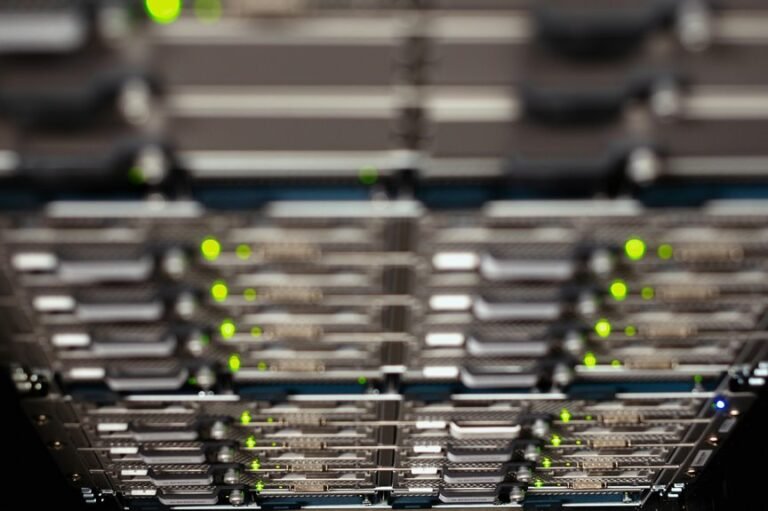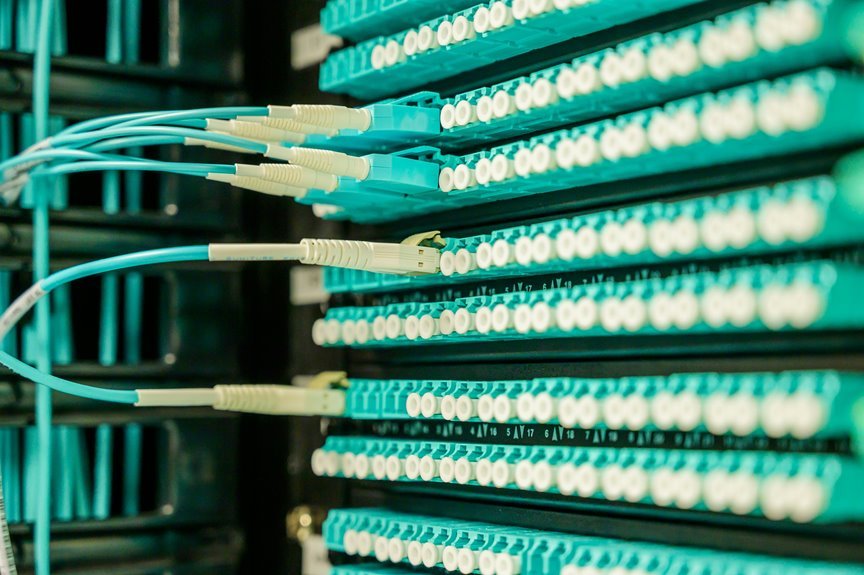
The optimization of the Intelligent Tech Network 935702482 represents a critical intersection of technology and efficiency. By focusing on bandwidth management and latency reduction, organizations can significantly improve their digital infrastructure. This process not only enhances data transmission but also supports high-demand applications. However, the complexities of measuring success through KPIs pose unique challenges. Exploring these dynamics could reveal further insights into the potential for transformative change within network performance.
Understanding the Intelligent Tech Network 935702482
As organizations increasingly rely on complex digital infrastructures, understanding the Intelligent Tech Network 935702482 becomes essential for optimizing performance and enhancing connectivity.
This network architecture facilitates efficient data transmission, ensuring that information flows seamlessly across various platforms.
Key Features That Enhance Network Optimization
Although numerous factors contribute to effective network optimization, several key features stand out as pivotal in enhancing performance.
Bandwidth management ensures optimal resource allocation, preventing congestion and enabling seamless data flow.
Concurrently, latency reduction techniques minimize delays, fostering quicker response times.
Together, these features empower networks to operate efficiently, providing users with the freedom to engage in high-demand applications without compromising performance.
Proven Strategies for Implementing Optimization Techniques
Implementing optimization techniques requires a strategic approach that encompasses thorough assessment and targeted intervention.
Effective data analysis allows for the identification of inefficiencies, while robust traffic management systems ensure resources are allocated efficiently.
By integrating these components, organizations can achieve notable improvements in performance, driving productivity and responsiveness.
This methodology fosters an environment conducive to innovation, ultimately empowering users with the freedom to operate effectively.
Measuring Success: KPIs for Network Performance
Establishing clear and measurable Key Performance Indicators (KPIs) is essential for evaluating network performance effectively.
Performance metrics such as bandwidth utilization, latency, and packet loss provide quantifiable data for analysis.
By systematically applying data analysis techniques, organizations can identify trends and areas for improvement, ensuring optimal network functionality.
This approach empowers stakeholders to make informed decisions, enhancing both performance and user satisfaction.
Conclusion
In conclusion, the optimization of the Intelligent Tech Network 935702482 emerges as a beacon guiding organizations toward enhanced digital performance. By judiciously implementing bandwidth management and latency reduction techniques, businesses can cultivate a thriving ecosystem where data flows like a well-tuned symphony. The strategic measurement of KPIs acts as a compass, illuminating paths for continuous improvement and innovation. Ultimately, a well-optimized network not only empowers users but also propels organizations toward greater efficiency and success in an increasingly demanding digital landscape.